The Hidden Security Danger of Phone Number Recycling
Understanding Phone Number Recycling
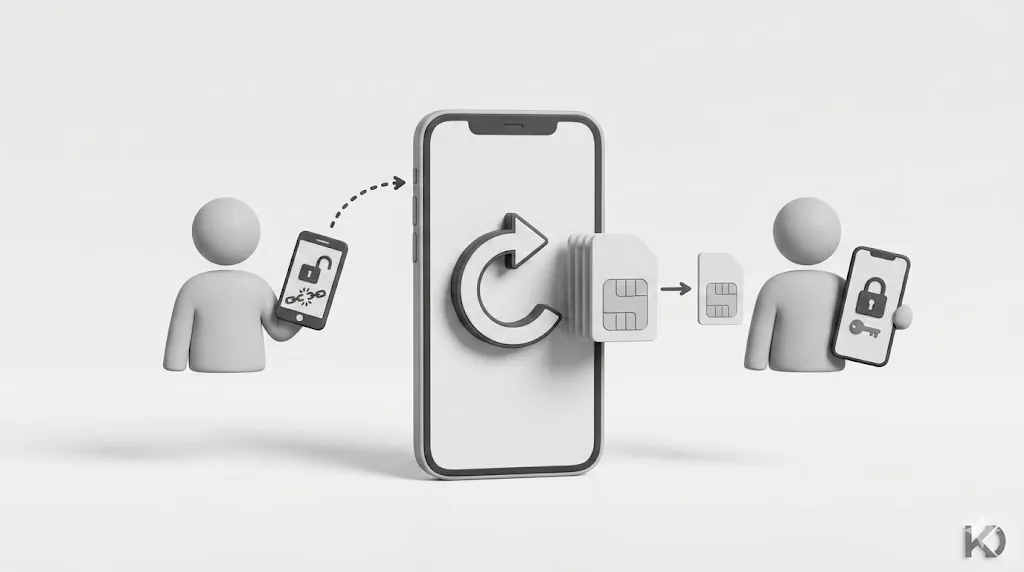
Mobile phone numbers are recycled by telecom operators due to limited number allocations. Phone number recycling means if a number is inactive or disconnected for a certain period, it is reassigned to a new user by the telecom operators.
The Security Risk of Reassigned Numbers
There is a huge security risk combined with this process because many people link or create their accounts with phone numbers.
When a recycled number is assigned to a new user and the previous owner linked their Facebook account with that phone number, the new owner can receive OTPs sent to that number for accounts still linked to it. This means that if the previous owner did not remove their number from Facebook, the new owner could potentially reset the Facebook account password and gain unauthorized access.
Advice from Telecom Operators and Security Experts
Telecom operators and security experts advise the following steps to mitigate this global security issue:
- Unlink numbers: Users should unlink their numbers from online accounts before giving up a SIM.
- Alternative authentication: Use alternative authentication methods, such as app-based 2FA, instead of SMS OTPs to reduce risk.
- Update recovery info: Regularly update account recovery information to ensure it is current.
In Conclusion
As a standard practice, telecom operators reassign numbers after a certain period of inactivity. Therefore, the new owner of a phone number can potentially receive OTPs, reset passwords, and access your linked accounts. Users must unlink numbers from all online services before discontinuing a SIM as a critical security step.
- Kavishka Dulshan